5 Common Myths About Carbon Water Filters, Debunked




December 10, 2025
The quality of drinking water is a serious concern for homeowners. Carbon water filters are a popular, effective option, yet many misconceptions still surround how they work and what they can do. Getting the facts straight matters when choosing the right solution for your family’s needs. Trident Plumbing & Drain helps residents get clear, great-tasting water through reliable water filtration in Surprise, AZ and expert advice on all types of equipment.
Myth 1: Carbon Filters Remove Everything
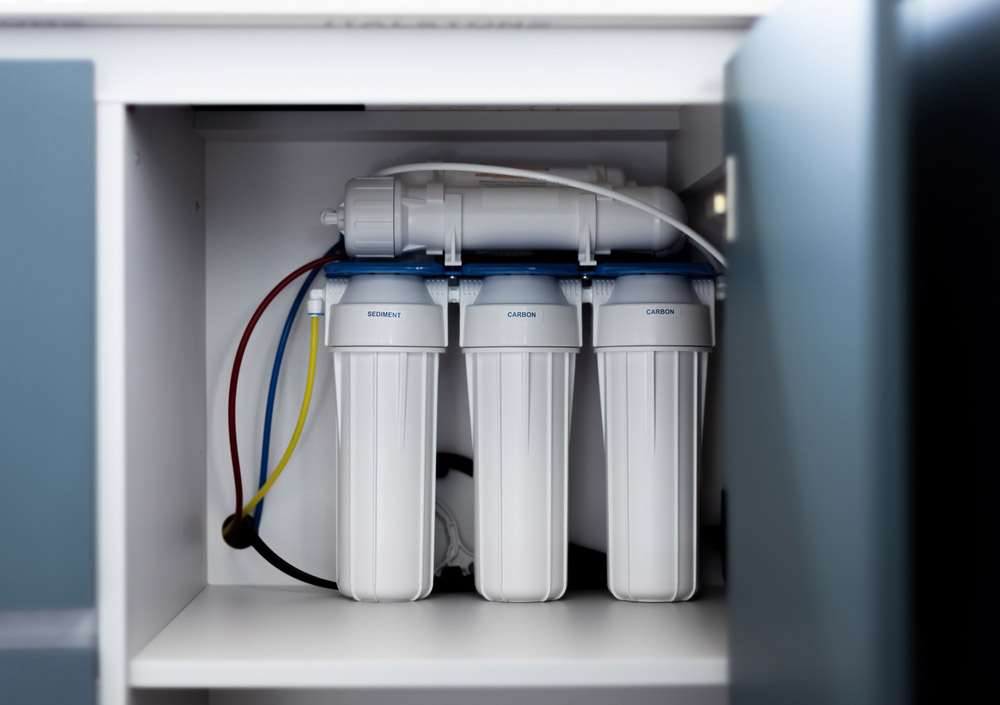
Carbon filtration works by adsorption, which is like a sponge soaking up impurities. These filters are excellent at removing chlorine, sediment, volatile organic compounds (VOCs), and foul tastes or odors. However, they are not designed to remove dissolved solids, heavy metals like arsenic or lead, or certain bacteria and viruses. For specialized issues, you might need a more comprehensive approach to water treatment services.
Myth 2: All Carbon Filters are the Same
This is false. Carbon filters come in two main types: Granular Activated Carbon (GAC) and Carbon Block. GAC is made of loose granules, while Carbon Block is compressed. Block filters generally offer a higher surface area and are often more effective at removing smaller contaminants for longer periods. The right choice depends on your specific water quality concerns and the type of water conditioning services you are considering.
Myth 3: A Carbon Filter Never Needs Replacement
The filter’s carbon eventually becomes saturated with contaminants. When this happens, it can no longer effectively clean your water. Ignoring the replacement schedule can even lead to collected pollutants leaching back into the water supply. Most manufacturers recommend replacing carbon filters every six months to a year, depending on water usage and quality. Regular maintenance is vital for effective water purification services.
Myth 4: Carbon Filtration Wastes Water
Unlike reverse osmosis systems, which produce reject water during the filtration process, standard carbon filters do not waste water. The water flows through the filter media, and the clean water comes out the other side. This efficient process makes them an environmentally friendly choice. Installing a whole home water filtration unit is a straightforward upgrade that provides clean water without the guilt of water waste.
Myth 5: You Can Always Taste When a Carbon Filter is Working
A carbon filter’s main job is to remove things that cause bad taste and odor, like chlorine. When the water tastes good, it is likely working. But some serious contaminants, like certain VOCs, are odorless and tasteless. Relying solely on your sense of taste to monitor the filter’s performance is risky. Follow the recommended replacement schedule to ensure your filter is always operating correctly.
Frequently Asked Questions
Q: How does a carbon water filter remove contaminants?
A: Carbon filters use a process called adsorption. Contaminants stick to the highly porous surface of the activated carbon as water flows through, trapping impurities and leaving the water cleaner.
Q: Can I install a carbon water filter myself?
A: Smaller, point-of-use carbon filters, like pitcher filters or faucet mounts, are often easy for homeowners to install. However, for under-sink or larger whole-house systems, professional installation is recommended to ensure correct setup and plumbing connections.
Q: What is activated carbon?
A: Activated carbon is carbon material, often made from coconut shells or wood, that has been treated with oxygen to open up millions of tiny pores. This massive surface area is what allows the carbon to effectively capture and hold impurities.
Choosing the right water filter does not need to be complicated. Our team at Trident Plumbing & Drain is here to answer your questions and provide professional guidance. We are a veteran-owned and family-operated company committed to your satisfaction. Call us today to discuss your home’s water quality needs.
by RTM Design